


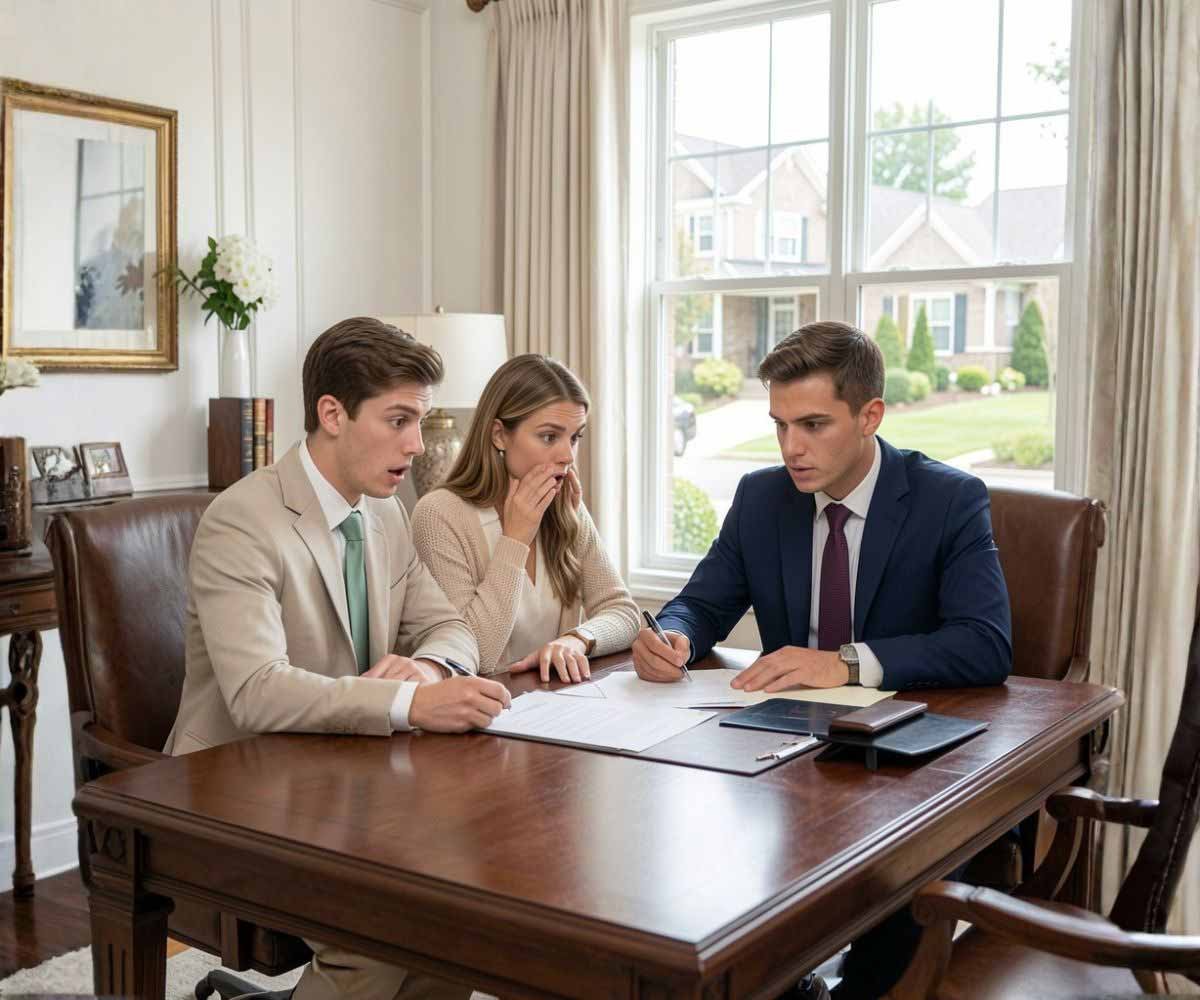
You found the house. You locked in your mortgage rate. You’re mentally moving furniture into the living room. Then closing day arrives, and the settlement statement lands on the table with a number that’s higher than you expected.
If this sounds familiar or you’d rather avoid the surprise altogether, you’re not alone. New Jersey has one of the more layered closing cost structures in the country, and several fees rarely make it into early budget conversations. This guide breaks down the hidden costs that catch buyers off guard, so you can walk into closing with your eyes open, not your checkbook flinching.
For a full breakdown of every fee involved in a New Jersey real estate transaction, see our cornerstone guide, New Jersey Closing Costs Explained: The Complete Guide for Buyers and Sellers (2026).
Why New Jersey Closing Costs Often Catch Buyers Off Guard
Most homebuyers budget for the obvious: down payment, appraisal, and inspection. What they don’t always budget for are the smaller, state-specific charges that add up quickly. New Jersey closing costs typically run between 2% and 5% of the purchase price, and a meaningful chunk of that comes from fees that don’t show up until the attorney or title company sends over the final numbers.
Part of the reason these costs feel “hidden” is that New Jersey requires attorney involvement in most real estate closings, unlike many other states. That adds a layer of professional fees on top of the standard lender and title charges, a detail out-of-state buyers, or first-timers, rarely anticipate.
The Hidden Fees Buyers Frequently Overlook
The New Jersey Mansion Tax
If your purchase price is $1 million or more, New Jersey imposes an additional 1% Mansion Tax, paid by the buyer at closing. With more homes in North Jersey and along the coast crossing that threshold, this fee has quietly become a real budgeting factor for a growing number of buyers, not just luxury homeowners.
Attorney Review and Closing Fees
Because New Jersey follows an attorney-review process for contracts, buyers should expect legal fees for contract review, negotiation, and attendance at closing. These fees vary by firm and transaction complexity, and they're easy to underestimate if you assumed your real estate agent's commission covered "everything."
Title Search and Title Insurance Premiums
A title search verifies the property has a clean, transferable ownership history, and title insurance protects you and your lender if a problem surfaces later. Both are essential and both come with a cost that many buyers assume is already baked into their loan estimate, when it's often a separate line item.
Survey and Municipal Certification Costs
Depending on the municipality, buyers may need a current property survey, a Certificate of Occupancy, a smoke detector/fire certification, or a municipal lien search confirming no unpaid taxes or violations exist on the property. These certifications are municipality-specific, meaning costs and requirements can shift depending on whether you're closing in Bergen County or Ocean County.
HOA and Condo Estoppel Certificates
If you're buying a condo or a home in a community with a homeowners association, expect an estoppel certificate fee. This document confirms the seller's dues are paid in full and outlines any pending assessments and it's a cost buyers of single-family homes never encounter, which is exactly why it surprises condo buyers.
Recording Fees and Courier Charges
Recording the deed and mortgage with the county clerk's office comes with a government fee, and many title companies also charge a nominal courier or wire fee to handle document delivery securely. Individually small, but they add to the final total.
Prepaid Escrow Items
Lenders typically require buyers to prepay a portion of property taxes and homeowners insurance into an escrow account at closing. Since New Jersey property tax rates are among the highest in the nation, this prepaid amount can be significantly larger than buyers moving from lower-tax states expect.
How to Prepare Financially for These Costs
Request a Detailed Loan Estimate Early
Your lender is required to provide a Loan Estimate within three business days of your application. Review it closely — line by line — and ask which fees are estimates versus fixed charges.
Get a Title Company Quote Before You're Under Contract
Reaching out to a title company early, rather than waiting until attorney review, gives you a clearer, itemized picture of title-related costs specific to your property and municipality. This is one of the simplest ways to remove the guesswork from your budget.
Build in a Buffer
Even with a detailed estimate, it's wise to set aside an additional 1% of the purchase price as a cushion for last-minute or municipality-specific fees that surface during
Working With American Title Hub to Avoid Surprises
At American Title Hub, we prepare New Jersey buyers with itemized, transparent estimates well before closing day — not just a summary total, but a breakdown of exactly what you’re paying for and why. Our team handles the title search, coordinates municipal certifications, and works directly with your attorney and lender so nothing slips through the cracks.
Hidden closing costs aren’t really “hidden” once you know where to look. They’re simply the parts of a New Jersey real estate transaction that don’t get discussed until it’s almost too late to plan for them. With the right guidance, they become a predictable part of your budget instead of a last-minute scramble.
Ready to see exactly what your closing costs will look like? Contact American Title Hub for a personalized estimate, or read our complete guide, New Jersey Closing Costs Explained: The Complete Guide for Buyers and Sellers (2026), for a full breakdown of every fee in the process.
Frequently Asked Questions About Hidden NJ Closing Costs
What is the New Jersey Mansion Tax and who pays it?
The Mansion Tax is a 1% fee applied to residential purchases of $1 million or more, and it's paid by the buyer at closing. It's calculated on the full purchase price, not just the amount over $1 million, so it can add a substantial cost that many buyers don't anticipate until closing.
Why do New Jersey closings require an attorney?
New Jersey follows an attorney-review process, meaning both buyer and seller typically have three business days after signing a contract to have it reviewed by a real estate attorney. This adds legal fees on top of standard lender and title costs, which is why attorney fees often surprise buyers relocating from states where attorney involvement isn't standard practice.
Are title insurance costs included in my mortgage estimate?
Not always. Title insurance is often listed as a separate line item on your Closing Disclosure rather than bundled into your monthly mortgage payment. It's a one-time premium paid at closing that protects against ownership disputes or liens discovered after the sale.
What is a municipal lien search, and why does it matter?
A municipal lien search confirms there are no unpaid property taxes, water bills, or code violations attached to the property. Requirements and costs vary by municipality, so a buyer closing in one New Jersey county may see a different fee than a buyer closing in another.
How much should I budget beyond my down payment for NJ closing costs?
Most New Jersey buyers should budget 2% to 5% of the purchase price for closing costs, plus an additional buffer of about 1% to cover any municipality-specific or last-minute fees that surface during the closing process.
Do condo buyers pay extra fees that single-family home buyers don't?
Yes. Condo and HOA buyers typically pay for an estoppel certificate, which confirms the seller's association dues are current and discloses any pending special assessments. Single-family home buyers outside an HOA don't encounter this fee.